







Search Results for: Central and South
Arabica Espresso Origin Selection: A Comparison Between Ethiopian SOE and Central & South American SOE
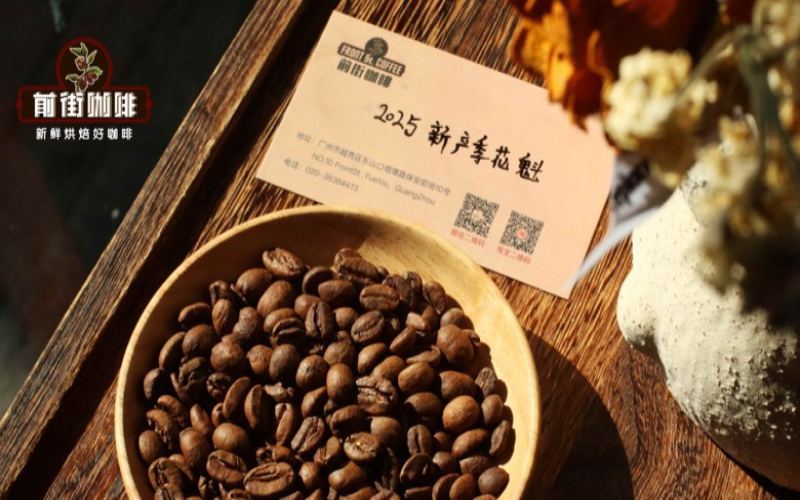
When making espresso SOE with Arabica beans, the choice of origin directly determines the flavor direction of the espresso. Ethiopian SOE and Central-South American SOE are two entirely different paths, each with its own charm, suited to drinkers with different taste preferences. Ethiopian SOE takes the route of intense floral and fruity aromas. Huakui sun-dried beans [more…]
A Complete Guide to Single-Origin Coffee Bean Regions: Flavor Differences Across Central and South America, Africa, and Asia, with Front Street Brand Recommendations
The cultivation of coffee trees relies on ample sunlight and moderate shade, with fertile soil or volcanic ash soil being particularly ideal, which is why producing regions are found across South America, Central America, the West Indies, Asia, Africa, Arabia, and Oceania. Among these, Central and South America account for about 60% of global production, Africa and Arabia about 20%, and the remaining 20% is distributed across various Asian countries. Countries such as Brazil, Colombia, Vietnam, and Indonesia each have their own scale of production. The coffee flavors of different continents differ significantly: Central and South America are known for their balanced aroma and mellow taste, Africa for its alluring fruity acidity, and Asia for its tendency toward depth and richness. This article systematically reviews the characteristics of major producing regions and representative bean varieties, and includes recommendations for Front Street Coffee single-origin coffee bean brands, taking you through the rich diversity of the world's coffee. [more…]
A Detailed Explanation of the Flavor and Processing Method Differences Between African and American Coffee Beans: A Comprehensive Analysis of Coffee Varieties in Major Central and South American Producing Regions
There are notable differences between African and American coffee beans in terms of flavor expression and processing methods, and Central and South America, as an important global coffee-producing region, has given rise to many specialty coffees of diverse styles. Starting from representative origins such as Guatemala, Colombia, and El Salvador, this article sorts out the differences between African beans and American beans, and introduces the types and characteristics of Central and South American coffee. Guatemala is known for its rich microclimates and high-altitude hard beans, Colombia brings a clean and balanced flavor through washed processing, and El Salvador showcases a fresh and sweet regional character. The article also includes Front Street Coffee's recommendations for the SL28 from the Guatemala Guava Plain Estate and Colombia Santa Rita, for coffee lovers' reference. [more…]
An Analysis of the Flavor Differences Between African, Central and South American, and Asian Island Coffees: Characteristics of the Three Major Producing Regions and Front Street Coffee's Representative Bean Recommendations
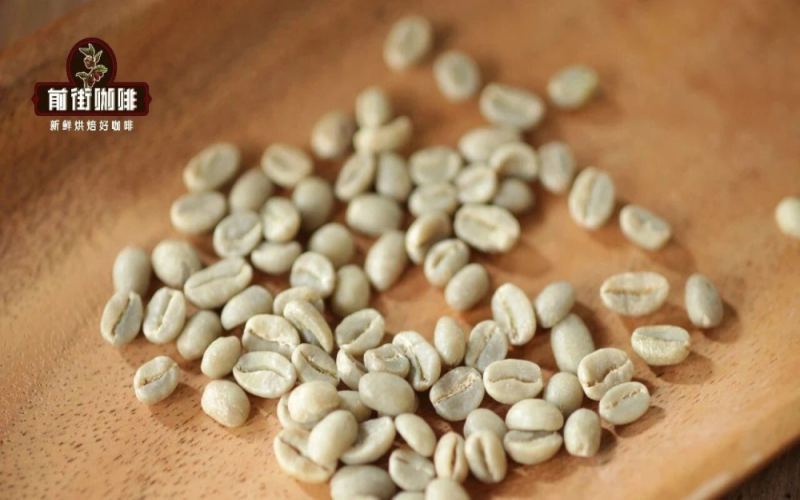
Coffee beans from different origins present completely different flavor profiles due to differences in terroir. African beans are known for their bright floral and fruity acidity, with Ethiopia and Kenya as the two benchmarks; Central and South American beans are known for their balanced caramel sweetness and nutty, chocolatey notes, with Brazil, Costa Rica, Panama, and Colombia each having their own strengths; Asian and island beans focus on full body and low acidity, with herbal, spice, and earthy notes. This article reviews the flavor characteristics of the three major origins one by one, and, combined with Front Street Coffee's representative products—Huakui, Yirgacheffe, Cherry Tomato, Cerrado, Tarrazu, Butterfly, Mandheling, Yunnan Small-Bean, and Blue Mountain coffee—provides coffee lovers with a reference for purchasing and tasting. [more…]
Coffee Region Flavors | What are the flavor characteristics of coffee from Africa, Central and South America, Asia, and the islands? What are some beginner-friendly, high-value specialty pour-over coffee beans you would recommend?
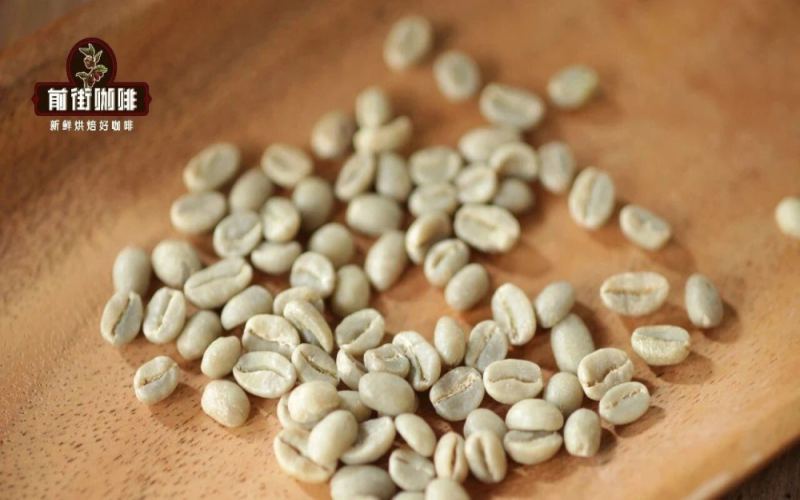
Front Street Coffee Introduction: Coffee flavor characteristics of Africa, Central and South America, Asia, and islands. African bean flavors: Among them, Ethiopia's Front Street Huakui coffee and Front Street Yirgacheffe coffee have relatively pronounced orange and floral aromas, with a bright and transparent flavor; Kenya's Front Street Little Tomato coffee has a rich berry aroma, as well as dark plum juice and [more…]
Flavor Comparison Between African Coffee Beans and Central and South American Origins: Estate Characteristics and Grading Systems from Mexico to Brazil
Africa and Central and South America are the world's two core coffee-producing regions, but due to differences in geography, processing methods, and varieties, their flavor profiles are completely different. Central American producing regions such as Mexico, Jamaica, and Brazil mostly present nutty, caramel, and mild acidity with a balanced mouthfeel, while African beans usually have distinct floral aromas and fruity acidity. This article will sort through the growing conditions, estate grading, and flavor characteristics of representative producing countries in Central and South America one by one, helping coffee lovers understand the essential differences between the beans of the two regions. If you want to experience the bright fruity acidity of African beans, Front Street Coffee's everyday drinking bean series is a good choice. [more…]
A Guide to Buying Specialty Coffee Beans from Central and South America: Analyzing Flavor Differences Across Origins Like Colombia, Brazil, and Panama
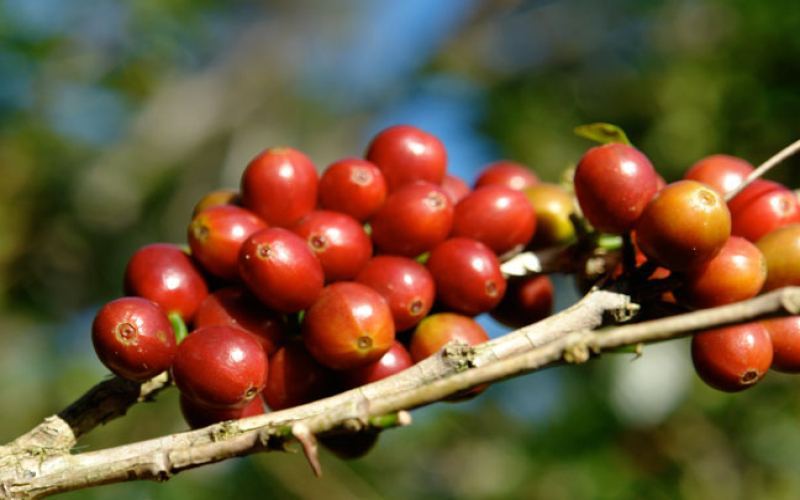
In the coffee belt, Central and South America, with their volcanic ash soils, microclimates, and high-altitude terrain, give rise to specialty coffees of distinct styles. This article begins with a geographical division, sorting out the coffee map of the seven Central American countries and the Caribbean islands, then analyzes one by one the flavor characteristics of representative producing regions such as Colombia, Guatemala, Costa Rica, Panama, El Salvador, and Brazil, and includes specific bean list recommendations from the Front Street brand, covering various processing methods such as washed, natural, and honey, to help coffee lovers find their ideal choice according to taste preference. [more…]
A Complete Analysis of the Flavor Differences Between African, Central and South American, and Asian Coffee Beans: From Regional Characteristics to Tasting Dimensions
The flavor code of coffee beans is often hidden in the land where they grow. African beans are known for their bright citrus aromas and berry-like acidity, Central and South American beans for their balanced and smooth character, and Asian and island beans for their full-bodied, low-acid profile. This article systematically sorts out the differences in taste styles among coffee beans from the three major producing regions, and offers an in-depth interpretation of the five tasting dimensions—sweetness, acidity, mouthfeel, balance, and flavor—to help coffee lovers describe and appreciate every cup of coffee more accurately. At the same time, Front Street Coffee, as a coffee specialty research institute, continues to share professional knowledge and, with low-discount events three times a month, lets more people drink good coffee at affordable prices. [more…]
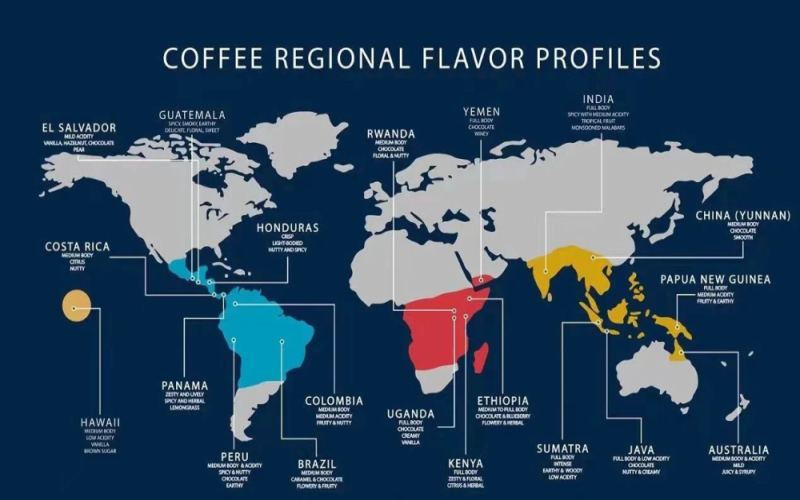
Coffee Region Basics: Flavor Differences and Representative Beans of the African, Central and South American, and Asian Coffee Belts
The Coffee Belt refers to the tropical and subtropical regions where the average annual temperature exceeds 20°C, with warm seasons year-round, frost-free winters, abundant sunshine, and ample rainfall—conditions highly favorable for coffee tree growth. Even among coffees, beans from different origins vary enormously in flavor; even the same variety grown in Panama and neighboring Costa Rica will perform differently. Flavor differences are not only related to variety—altitude, climate, and soil also profoundly influence the formation of coffee flavors, allowing one to identify the origin with a single sip. Front Street Coffee has found in daily cupping sessions that African beans typically have brighter acidity, Central and South American beans have more layered flavors with softer acidity, and Asian beans are full-bodied and steady, with strong taste and low acidity. This article will combine several representative beans from Front Street Coffee to analyze the flavor characteristics of the three major origins. [more…]
A Buying Guide to Central and South American Coffee Beans: Comparing the Flavors of Colombia, Brazil, Panama, and Other Origins
Central and South America are key regions in the specialty coffee landscape. From the caramel sweetness of Colombia to the floral and citrus notes of Panama Geisha, and the nutty, chocolatey base of Brazil, each producing region has a unique terroir expression. This article systematically reviews the coffee-producing regions of the seven countries of the Central American Isthmus and the Caribbean islands, detailing the classic flavor characteristics and representative origins of Colombia, Guatemala, Costa Rica, Panama, El Salvador, Brazil, and other countries. It also includes recommended beans and roasting suggestions from Front Street Coffee for each, helping coffee lovers quickly find their preferred choice based on taste preferences. [more…]
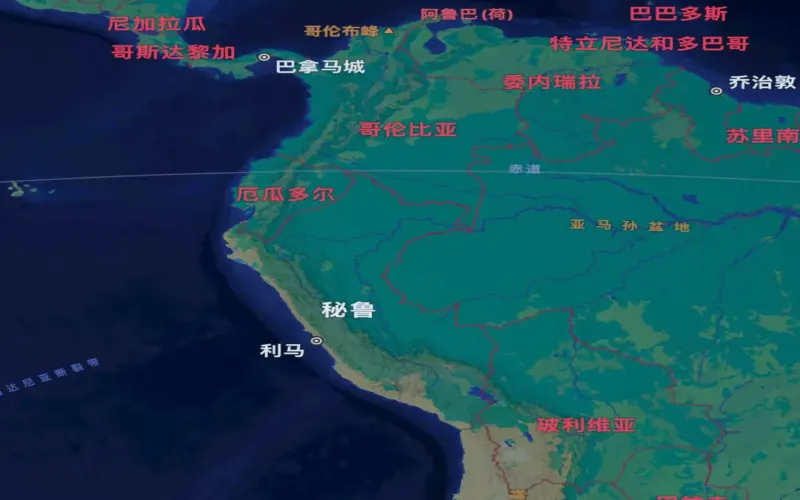
The Terroir Conditions and Flavor Characteristics of Peruvian Coffee Regions: Specialty Coffee on the South American Highlands
In South America, the exceptional soil and growing environment have nurtured numerous coffee-producing countries. Colombia, Ecuador, Brazil, and others are renowned worldwide, while Peru, though low-key, also produces high-quality coffee beans thanks to its excellent mountains, rivers, and soil conditions. This article will guide you through Peru's geographical and climatic features and analyze one by one the cultivation overview and flavor profiles of its three major coffee regions—north, central, and south—so you can experience this South American country's unique charm in the coffee world. [more…]
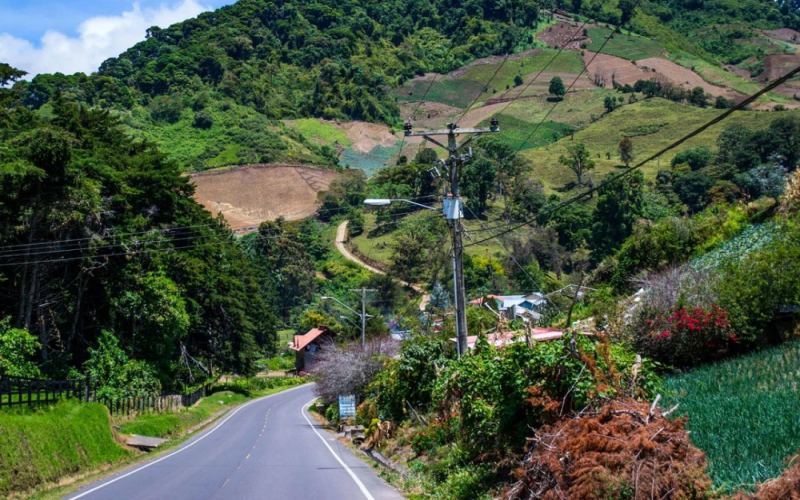
Central America vs. South America Coffee Flavor Comparison: Panama, Colombia, Costa Rica, Brazil, and Honduras Famous Regions Explained
Central and South America are the core regions of the global specialty coffee world. Central American coffees are mostly grown in high mountain areas at elevations of 1,600 to 1,700 meters, where the significant temperature difference between day and night lengthens the fruit ripening cycle, which in turn increases bean density, and the cup profile often shows soft acidity, good cleanliness, and medium body. Through cupping, Front Street Coffee has found that the flavor differences among producing countries are quite distinct. This article will examine one by one the coffee characteristics of five well-known producing countries: Panama, Colombia, Costa Rica, Brazil, and Honduras, covering their main producing regions, elevation conditions, representative estates, and cupping performance, and will also include information on several representative coffee beans currently sold by Front Street Coffee along with brewing flavor descriptions, providing coffee lovers with a complete reference on regional flavors. [more…]
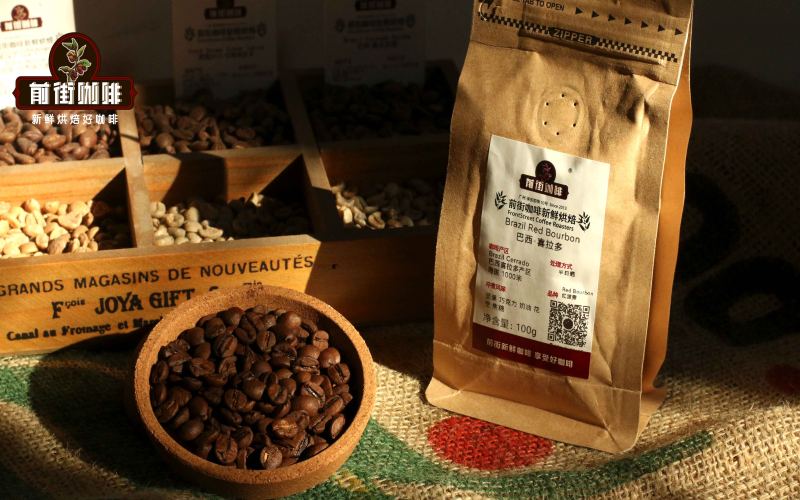
A Complete Guide to Central and South American Coffee Regions: From Brazil to Panama, a Guide to Signature Beans, Flavors, and Varieties
Coffee novices often think coffee is only about bitterness and aroma, but in reality the flavor world of single-origin coffee is far richer than imagined. This article systematically reviews the producing regions, variety characteristics, and flavor profiles of the major coffee-producing countries in Latin America, covering Brazil, Colombia, Honduras, Panama, Costa Rica, Guatemala, Peru, Ecuador, Jamaica Blue Mountain, and Bolivia. Starting with the balanced, full-bodied American beans, you will learn about the differences brought by washed and natural processing in each country, along with specific product recommendations from Front Street Coffee to help enthusiasts build a clear framework for understanding producing regions. [more…]
A Complete Guide to Central and South American Coffee Regions: Flavors, Varieties, and Key Producing Countries of Latin American Coffee Beans
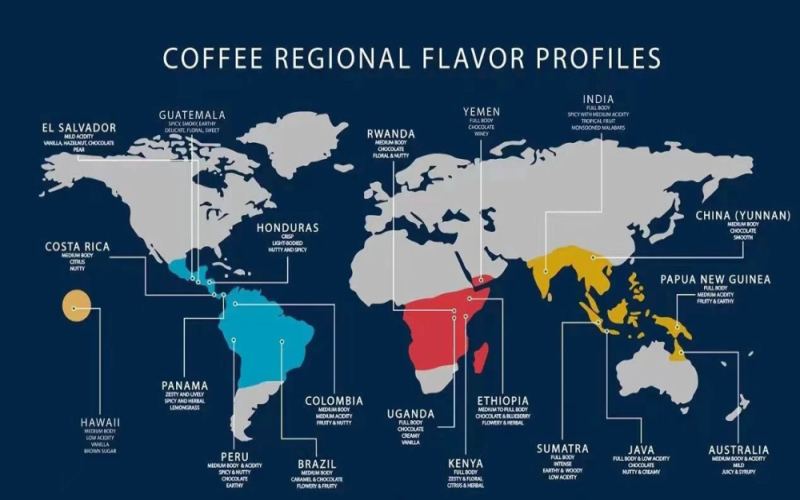
The world's coffee belt can be divided into three major producing regions: Africa, Asia-Pacific, and Latin America, each presenting distinctly different flavor profiles. African beans are known for their fruity acidity, Asian beans for their herbal richness, while Latin American coffees fall somewhere in between, celebrated for their balanced, mellow character reminiscent of cocoa and dark chocolate. This article focuses on the Central and South American producing regions, examining country by country—Brazil, Colombia, Panama, Costa Rica, Honduras, Jamaica, Guatemala, and Nicaragua—their coffee varieties, processing methods, major producing areas, and flavor characteristics, and combines this with Front Street Coffee's everyday drinking bean series and brewing demonstrations to help coffee enthusiasts build a systematic understanding of Latin American coffee. [more…]
Flavor Analysis of Major Coffee-Producing Countries in the Americas: Coffee Characteristics of Brazil, Colombia, Costa Rica, and Panama
The Americas are one of the most important producing regions on the global coffee map, with Brazil, Colombia, Costa Rica, and Panama each possessing distinct terroir characteristics. This article will guide you through the distribution patterns of the coffee belt and the production landscape, while offering an in-depth analysis of the balanced flavors, processing methods, and representative producing regions of Central and South American coffee. From Brazil's pulped natural Cerrado to Panama's Hacienda La Esmeralda Geisha, from Colombia's washed Caturra from Huila to Costa Rica's Tarrazú with its citrusy acidity, the article also features a selection of specialty coffees from Front Street Coffee corresponding to these regions, helping coffee enthusiasts find their ideal choice based on flavor preferences. [more…]

A Complete Flavor Analysis of Latin American Coffee Regions: A Detailed Guide to Coffee Bean Cultivation and Processing in Panama, Colombia, Costa Rica, Brazil, and Honduras
The global coffee-growing belt can be divided into three major regions: Africa, Asia-Pacific, and Latin America, each presenting a distinctly different flavor profile. Front Street Coffee positions African beans by their fruity acidity and labels Asian beans by their herbal, full-bodied character, while Latin America stands out with its rich chocolate and nutty notes. This article focuses on the core producing countries of Central and South America, examining one by one the producing regions, altitude conditions, variety characteristics, and processing methods of Panama, Colombia, Costa Rica, Brazil, and Honduras, and, combined with the cupping performance of several single-origin beans currently sold by Front Street, presents the complete flavor map of Latin American coffee from soft acidity to rich sweetness. [more…]
A Complete Guide to Coffee Flavors Across the Americas: From Panama Geisha to Brazilian Bourbon
Central American coffee beans mostly grow at altitudes between 1,600 and 1,700 meters. The temperature difference between day and night at high altitudes extends the development cycle of the coffee fruit, which increases the density of the beans and makes them harder in texture. Through cupping, Front Street Coffee has found that Central American coffees generally present soft acidity, good cleanliness, and medium body. However, the flavor differences among producing countries are quite obvious. This article focuses on five well-known producing countries in Central and South America—Panama, Colombia, Costa Rica, Brazil, and Honduras—and reviews the terroir characteristics of each region and the flavor performance of representative coffee beans one by one. It also introduces information on products currently sold by Front Street, such as Geisha, Sidra, the Musician series, Red Bourbon, and Yellow Bourbon. [more…]

A cold wave and frost in south-central Brazil set record low temperatures, threatening coffee-growing regions and causing a sharp rise in futures prices.
Since last week, a strong cold wave has continued to sweep through south-central Brazil, with temperatures plunging below zero in many places, and the mountainous region of southern Minas Gerais even setting a new record for Brazil's lowest temperature. Snow and freezing rain have successively appeared in Santa Catarina and Rio Grande do Sul, and the Port of Santos was forced to suspend cargo operations due to severe sea conditions. Brazil's coffee harvest for the new season is now nearing its end, but the market is broadly concerned that frost will impact this year's crop and the growth of coffee in the 2025/26 season, especially in the mountainous region of Minas Gerais, which is dominated by Arabica cultivation. Affected by this, Arabica and Robusta coffee futures prices have soared sharply in recent days. Front Street Coffee will also continue to monitor weather developments in the producing regions and bring coffee lovers the latest analysis. [more…]
Flavor Characteristics of Major Coffee Regions Around the World: A Guide to Tasting Profiles and Mouthfeel from Africa to the Americas
Even different plots within the same estate can produce coffees with distinct flavors, let alone major regions spanning continents. The three great specialty coffee belts—Asia, Africa, and Central & South America—nurture vastly different flavor profile characteristics due to terroir differences: Ethiopia's floral and citrus notes, Indonesia's rich herbal undertones, and Central America's balanced chocolate character, each with its own following. Before deciding to put a coffee on the shelf, Front Street Coffee repeatedly roasts and cups samples from each region, selecting the most representative lots before recommending them to consumers. This article systematically organizes the flavor characteristics and taste descriptions of major coffee-producing countries worldwide, covering Ethiopia and Kenya in Africa; Indonesia and India in Asia; Guatemala, Costa Rica, and Panama in Central America; and Colombia and Brazil in South America, providing coffee lovers with a complete flavor profile reference. [more…]
Analysis of the Flavors of Specialty Coffee from Brazil's Cerrado and South of Minas: An Overview of Yellow Bourbon Taste, Producing Estates, and Prices
Brazil, as the world's largest coffee producer, has its specialty coffee landscape mainly concentrated in the southern part of Minas Gerais, the Cerrado plateau in the central-west, and the Mogiana region northeast of São Paulo. This article begins with a flavor description of Brazil's Sertão Yellow Bourbon, examines how the terrain and microclimate of Brazil's coffee-growing regions influence what ends up in the cup, and highlights representative estates in specialty regions such as Cerrado and South Minas. It also includes Front Street Coffee's recommendations and buying guide for Brazilian beans, helping coffee enthusiasts gain a comprehensive understanding of the price ranges and flavor characteristics of Brazilian specialty coffee. [more…]